
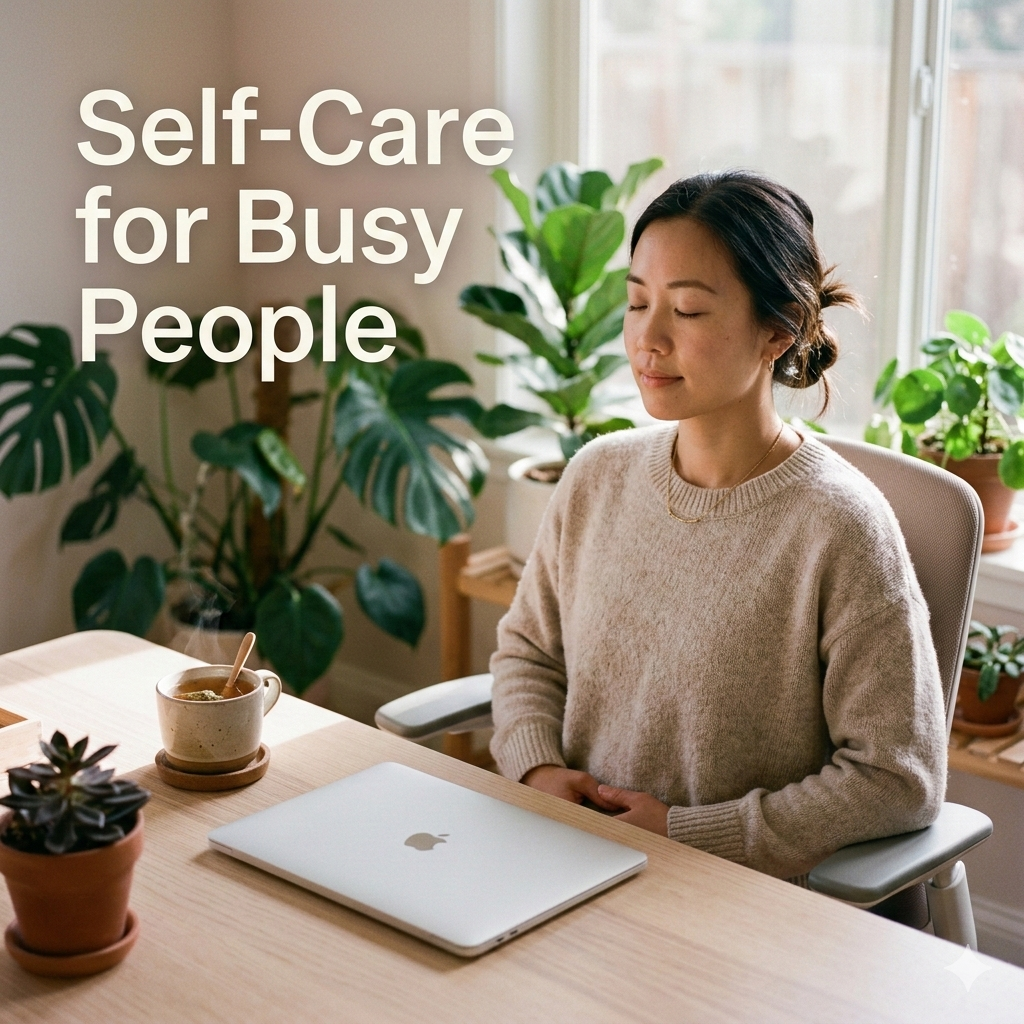
introduction
Modern life is very busy and fast. Many people work long hours and still manage family and personal duties. In this rush, they forget about their own health and happiness. This is why self-care for busy people is very important today. It helps you stay calm and strong even in stressful times. When you care for yourself, you can handle challenges better. You feel more focused and active during the day. Small healthy habits can make a big difference.
Taking care of yourself does not mean being lazy. It means giving your body and mind the support they need. When you ignore rest and balance, stress slowly increases. Over time, this can affect your health and mood. Simple routines like drinking water and taking deep breaths help a lot. You do not need expensive products or long vacations. You only need small daily actions. These actions build long-term strength and stability.
Busy schedules often make people feel guilty about resting. They think working more means success. But without balance, success feels empty and stressful. A healthy mind works better and makes smarter decisions. Self-care improves both personal and professional life. It creates peace and better energy levels. Even ten minutes a day can improve your mood. That is why self-care should be a daily priority.

What Does Self-Care Really Mean?
Self-care is more than spa days or shopping. It means taking care of your physical and emotional health. A simple daily self-care routine can include healthy food and enough sleep. It also includes positive thoughts and kind self-talk. Self-care supports your overall well-being. It helps you feel balanced inside and outside. You do not need big changes to start. Small steps are enough in the beginning.
There are different types of self-care. Physical self-care includes exercise and rest. Emotional self-care includes talking about feelings and relaxing. Mental self-care means reducing stress and thinking positively. These habits protect your health from burnout. They also improve your focus and patience. When your mind feels calm, your work becomes easier. Balance starts from simple actions.
Self-care is not selfish. It allows you to give your best to others. When you feel tired and stressed, you cannot perform well. Caring for yourself increases your energy. It also improves your relationships. People around you notice positive changes. You become more confident and patient. Self-care builds strength from the inside.
The Importance of Self-Care for Work-Life Balance
Balancing work and personal life can be difficult. Many people feel pressure from both sides. Practicing work-life balance tips helps reduce stress. Self-care supports this balance in simple ways. When you rest properly, you work better. When you manage stress, you stay positive. Balance is not about equal time. It is about equal importance.
Self-care prevents emotional and physical burnout. Long working hours without rest harm your body. Stress can affect sleep and mood. Simple breaks during the day refresh your mind. A short walk or deep breathing helps a lot. These small actions protect your health. Over time, they create stability.
A balanced person feels more satisfied. Success is not only about money or job title. It is also about peace and happiness. Self-care supports healthy boundaries. It reminds you that your time matters. When you care for yourself, you grow in all areas. Balance becomes easier to maintain.
Common Challenges Busy People Face
Busy people often say they have no time. They move from one task to another quickly. This constant rush increases workplace stress. They forget to rest or eat properly. Over time, their energy decreases. Stress becomes a normal part of life. This makes self-care harder to practice.
Another challenge is digital overload. Phones and laptops keep people connected all day. Messages and notifications never stop. This reduces focus and increases anxiety. Many people feel pressure to reply quickly. This habit removes personal space. Constant connection makes it hard to relax.
Guilt is also a common problem. Some people feel bad when they take breaks. They think resting means wasting time. But rest is necessary for productivity. Without rest, mistakes increase. Energy drops and motivation decreases. Understanding this helps change mindset. Self-care becomes easier when guilt is removed.
Quick and Practical Self-Care Habits for Busy Schedules
Simple habits can improve daily life. A short morning stretch improves blood flow. Drinking water after waking up boosts energy. Deep breathing calms the mind. These are easy simple wellness practices. They take only a few minutes. But they create a positive start. Consistency makes them powerful.
During work hours, small breaks are helpful. Stand up and walk for five minutes. Rest your eyes away from screens. Eat healthy snacks instead of junk food. These habits reduce tension in the body. They also improve concentration. Small actions prevent stress from building.
Evening routines are also important. Reduce screen time before sleeping. Write down your thoughts in a notebook. Light stretching helps relax muscles. A calm bedtime improves sleep quality. Good sleep restores energy for the next day. Night self-care supports full recovery. It prepares you for tomorrow.
Mindfulness and Mental Well-Being for Professionals
Mindfulness means living in the present moment. It helps reduce overthinking and worry. Simple mindfulness exercises like deep breathing calm the body. They lower stress and improve focus. Practicing daily increases awareness. You become more patient and thoughtful. It supports emotional balance.
Gratitude is another helpful habit. Writing three positive things each day changes perspective. It shifts attention from problems to blessings. This improves mood and confidence. A positive mindset increases motivation. It also strengthens mental health. Small gratitude habits create long-term happiness.
Mental well-being needs regular attention. Ignoring emotions can cause stress. Talking to a trusted friend helps release pressure. Spending quiet time alone also helps. Relaxation improves clarity and creativity. When the mind feels light, work becomes easier. Peace inside creates strength outside.
Setting Healthy Boundaries at Work and Home
Healthy boundaries protect your time and energy. Saying no when necessary is important. Clear communication improves understanding. Setting limits reduces overload. It prevents unnecessary stress. Boundaries show self-respect. They protect personal space.
Work boundaries are very important. Avoid answering emails late at night. Keep personal time separate from work tasks. This improves mental peace. Family time should be respected. Balance strengthens relationships. Clear rules make life organized. Structure reduces confusion.
At home, personal space also matters. Take time for hobbies and relaxation. Share responsibilities with family members. Communication avoids misunderstandings. Boundaries support emotional health. They increase confidence and clarity. Protecting your time builds stability. It supports long-term balance
Long-Term Benefits of Consistent Self-Care
Self-care improves physical health over time. Regular rest reduces fatigue. Healthy habits lower health risks. Strong immunity supports daily energy. Consistency builds resilience. Your body feels stronger. Energy levels stay balanced.
Emotionally, self-care reduces burnout. Stress becomes easier to manage. You feel more engaged in work. Motivation increases naturally. Positive habits improve mood stability. Confidence grows slowly. Mental clarity improves decisions.
Long-term self-care supports success. A calm mind performs better. Healthy routines increase productivity. Stability creates better relationships. Life feels more meaningful. Small actions create big results. Balance becomes a lifestyle. Success becomes sustainable.

Creating a Personalized Self-Care Plan
Everyone has different needs. A simple self-care checklist helps organize habits. Write down small daily goals. Choose realistic activities. Start with one or two changes. Keep the plan flexible. Focus on consistency.
Track your progress weekly. Notice improvements in mood and energy. Adjust habits when needed. Remove activities that feel stressful. Add activities that feel peaceful. Keep the plan simple. Avoid overloading yourself.
Self-care should feel natural. It should not become another task. Build habits slowly. Celebrate small improvements. Stay patient with yourself. Growth takes time. Consistency brings success. Balanced living becomes easier.
Conclusion
Self-care is not a luxury for busy people; it is a daily necessity. Small and simple habits can protect your health, improve focus, and reduce stress. When you take time to rest and recharge, you become more productive and positive. Balance does not happen in one day, but it grows with consistency. By making self-care a priority, you build a healthier mind, stronger body, and a more successful and peaceful life.
FAQs
1. What is self-care for busy people?
It means practicing small daily habits that protect your physical and mental health despite a tight schedule.
2. How can I do self-care with no free time?
Start with 5-10 minute habits like deep breathing, stretching, or short walks.
3. Is self-care the same as being lazy?
No, self-care improves productivity and prevents burnout.
4. How often should I practice self-care?
Daily small habits are more effective than occasional big efforts.
5. Can self-care improve work performance?
Yes, it increases focus, energy, and emotional balance.
Pingback: Life in Perfect Rhythm - work life balance