
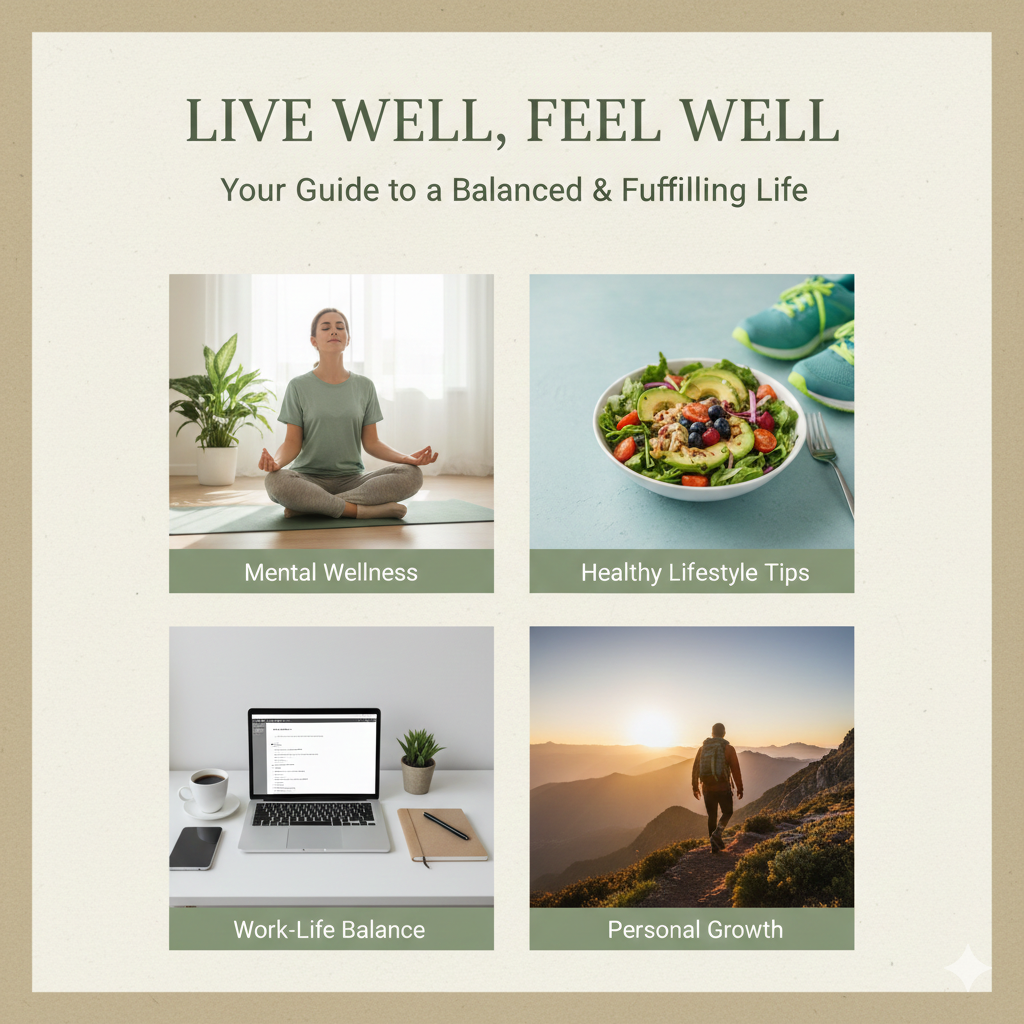
Introduction
Living well and feeling well is about creating a life that supports both success and happiness. It means taking care of your body, mind, and emotions every day. Many people focus only on earning money or achieving goals. But true wellness comes when you also protect your peace. A balanced lifestyle helps you stay calm and confident. It allows you to grow without losing yourself. This is the real meaning of living well.
In today’s busy world, people often feel tired and stressed. Long working hours and constant screen time make it harder to relax. Many struggle to give time to family or personal interests. This creates pressure and emotional exhaustion. When life feels rushed, health can suffer. That is why balance is more important than ever. Small changes can bring big improvements.
The idea of “Live Well, Feel Well” is simple but powerful. It encourages you to build healthy habits daily. It also reminds you to enjoy small moments. Success should not cost your happiness. A peaceful mind supports better decisions. When you care for yourself, you perform better in every area. Balance creates long-term satisfaction.

Understanding Work-Life Harmony
Work-life harmony means managing job and personal life smoothly. It is not about dividing time perfectly every day. Instead, it is about making both areas support each other. Some days work needs more focus. Other days family or health becomes the priority. The goal is flexibility, not perfection. This approach reduces pressure. It makes life more realistic and practical.
Many people confuse balance with doing everything equally. In reality, balance looks different for everyone. For some, it means fixed working hours. For others, it means flexible schedules. A healthy daily routine helps maintain stability. Planning tasks clearly avoids confusion. When priorities are clear, stress becomes lower. Clarity brings peace of mind.
Signs of imbalance are easy to notice. Constant tiredness is one common signal. Feeling disconnected from loved ones is another. Lack of sleep and irritation also show warning signs. Ignoring these signs can lead to bigger problems. That is why self-awareness is important. Paying attention early prevents future burnout.
Why Balance Matters for Health
A balanced life protects both mental and physical health. Too much stress weakens the immune system. It can cause headaches and sleep problems. Emotional pressure also affects mood. When tension continues for a long time, it harms overall well-being. Taking breaks helps the body recover. Rest is not laziness; it is necessary.
Good balance increases energy and focus. When you rest properly, you think clearly. Clear thinking improves work performance. It also helps you make better decisions. Positive emotions improve relationships. A calm mind supports creativity. Healthy routines keep motivation strong.
Ignoring balance can lead to serious exhaustion. Many professionals experience extreme fatigue. This reduces job satisfaction over time. It also lowers productivity. Prevention is always better than cure. Simple daily habits protect your strength. Balanced living keeps you active and positive.
The Role of Mindfulness in Daily Life
Being mindful means staying present in the moment. It helps reduce unnecessary worries. Instead of thinking about the past or future, you focus on now. This practice creates emotional stability. Even a few quiet minutes help. Deep breathing relaxes the body. Awareness improves inner peace.
Daily reflection builds stronger control over emotions. It helps you respond calmly instead of reacting quickly. Listening carefully during conversations improves understanding. It also strengthens relationships at work and home. Simple habits like journaling increase clarity. Peaceful thinking supports better choices. A calm attitude spreads positivity.
Self-care is part of mindful living. Taking time for yourself is important. It could be reading, walking, or praying quietly. These small actions refresh your energy. They also improve confidence. When you respect your own needs, others respect them too. Personal care supports lasting happiness.
Practical Ways to Improve Daily Balance
Setting clear boundaries protects your personal time. Avoid checking work messages late at night. Create a fixed time to end your tasks. This helps your brain relax. Inform others about your schedule politely. Respecting limits builds discipline. Boundaries reduce mental overload.
Time management is another powerful tool. Make a simple daily plan every morning. Focus on important tasks first. Avoid multitasking too much at once. Short breaks increase productivity. Organized days feel less stressful. Planning saves energy and effort.
Communication also plays an important role. Express your needs clearly to family and colleagues. Honest conversations prevent misunderstandings. Ask for support when necessary. Share responsibilities at home. Teamwork reduces pressure. Strong communication builds healthier relationships.
What a Healthy Lifestyle Looks Like
A healthy lifestyle does not mean perfection. It means feeling satisfied most of the time. You have enough energy for work and loved ones. You sleep peacefully at night. There is space for relaxation and fun. You do not feel constant pressure. Stability becomes part of daily life.
Everyone’s ideal balance looks different. Some prefer structured routines. Others enjoy flexible working styles. The key is comfort and control. If you feel calm and productive, you are on the right path. Comparing with others creates confusion. Personal progress matters more.
Building balance takes time and patience. It will not happen overnight. Small improvements create lasting change. Celebrate little achievements. Adjust when needed without guilt. Consistency builds strong habits. A steady approach leads to long-term success.
Modern Challenges and Digital Pressure
Technology has changed how we work and live. Many people stay connected all day. Notifications make it hard to disconnect. This increases mental pressure. Working from home can blur boundaries. Personal time becomes mixed with office tasks. Awareness helps manage this challenge.
Screen time also affects sleep quality. Late-night scrolling keeps the brain active. Lack of proper rest lowers energy levels. Setting limits on device use is helpful. Keep phones away during meals. Protecting offline time improves relationships. Digital control supports healthier living.
Burnout is becoming more common today. It often starts with small stress signs. Ignoring rest leads to emotional exhaustion. Recognizing early symptoms is important. Take short breaks during busy days. Practice relaxation regularly. Protecting yourself prevents long-term damage.
Creating Your Personal Action Plan
Start by reviewing your daily schedule honestly. Identify areas causing stress. Decide what needs improvement first. Make realistic goals instead of big promises. Simple changes work better. Consistency matters more than speed. Step-by-step progress builds confidence.
Create weekly check-ins with yourself. Ask if you feel satisfied and calm. Notice energy levels and mood changes. Adjust your routine when necessary. Flexibility keeps the plan practical. Life changes, so plans should adapt too. Self-evaluation strengthens growth.
Long-term success requires patience and commitment. Focus on sustainable habits. Avoid extreme routines that are hard to maintain. Choose actions that feel natural. Balance should support happiness, not pressure. Stay consistent with healthy choices. This is how you truly live well and feel well.
Conclusion
Living well is not about dramatic changes. It is about daily mindful decisions. Eating properly, resting enough, and staying organized matter. Protecting emotional peace is equally important. Balanced living supports personal and professional growth. It builds strength from within. Success feels more meaningful this way.
When you care for yourself, everything improves. Relationships become stronger. Work performance increases naturally. Confidence grows step by step. Peace replaces constant stress. A calm life brings clearer thinking. Happiness becomes stable and lasting.
FAQs
What does “Live Well, Feel Well” mean?
It means creating a balanced lifestyle where you take care of your physical health, mental peace, and personal happiness while managing work and responsibilities.
Why is work-life balance important for well-being?
A healthy balance reduces stress, improves energy levels, and helps you stay productive without feeling exhausted or overwhelmed.
How can I start living a more balanced life?
Start with small habits like setting clear work hours, eating healthy meals, getting enough sleep, and taking short breaks during the day.
Can mindfulness improve daily life?
Yes, practicing mindfulness helps you stay calm, focused, and emotionally strong, which improves both personal and professional life.
How long does it take to see results from lifestyle changes?
Positive changes can be felt within a few weeks if you stay consistent. Small daily improvements lead to long-term success and happiness.