
Introduction
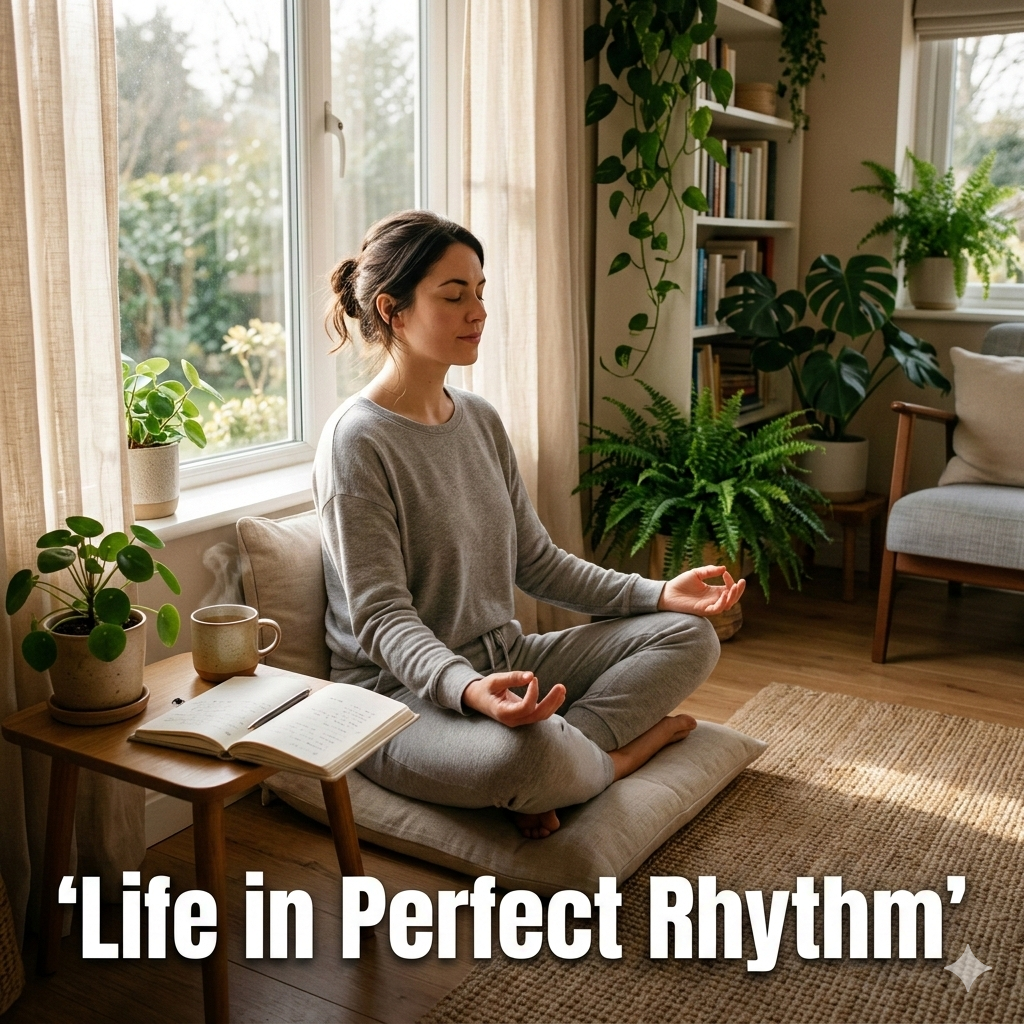
Life in Perfect Rhythm means living with balance, peace, and purpose. In today’s busy world, many people feel stressed and tired. Work pressure, family duties, and social expectations often feel overwhelming. When life has no rhythm, everything feels rushed and unorganized. Creating balance helps bring stability and calmness. It allows you to move through your day with clarity and confidence. A rhythmic life is not about perfection. It is about steady progress and mindful choices. Small daily habits build this harmony slowly. When your routine feels smooth, your mind and body feel stronger.
Many people think success means constant hard work without rest. But working non-stop can lead to stress and health problems. A balanced rhythm includes effort and relaxation. It respects both ambition and personal peace. When you plan your day wisely, tasks feel manageable. You gain control over your time and energy. This control reduces anxiety and confusion. It creates space for creativity and joy. Life becomes more meaningful when it feels organized. Rhythm gives structure to your goals and dreams.
Living in rhythm also improves emotional health. When you follow a stable routine, you feel secure. You know when to work and when to rest. This balance reduces mental pressure. It helps you stay calm in difficult situations. A steady pace prevents burnout and exhaustion. You become more patient and focused. Your relationships also improve with balanced attention. Peaceful habits create long-term happiness. Life flows better when it follows a healthy rhythm.

What Does a Balanced Lifestyle Truly Mean?
A balanced lifestyle does not mean dividing time equally. It means giving the right attention to each area of life. Understanding the work-life balance meaning helps you make better choices. Balance depends on your priorities and goals. Some days require more work focus. Other days need more family or personal care. The key is flexibility and awareness. Balance is about harmony, not strict rules. It allows space for growth and rest.
Healthy living supports this balance. Practicing healthy lifestyle habits improves energy and focus. Eating nutritious food keeps the body active. Regular sleep improves mental clarity. Exercise reduces stress and strengthens confidence. When your body feels good, your work improves naturally. These habits create a strong foundation. They support emotional and physical stability. A balanced life starts with caring for yourself.
Life harmony also depends on personal values. When your actions match your beliefs, you feel satisfied. You avoid unnecessary stress and comparison. Clear priorities reduce confusion and guilt. You feel proud of your daily efforts. Balanced living creates steady progress. It removes extreme highs and lows. Emotional balance brings confidence and peace. When your life feels aligned, it moves smoothly.
Work-Life Integration: Blending Career and Personal Life Smoothly
Modern life often mixes work and home responsibilities. Understanding work-life integration strategies helps manage this mix wisely. Instead of separating work and life completely, integration blends them carefully. It means planning tasks around personal needs. Flexibility allows better time use. You can complete work without ignoring family time. This method reduces tension and conflict. It builds a smoother daily flow.
Time planning plays an important role. Strong time management skills help organize responsibilities. Setting clear schedules reduces stress. Prioritizing important tasks improves productivity. Short breaks keep the mind fresh. When time is managed well, pressure decreases. You feel more confident handling duties. Organized planning creates steady rhythm.
Integration also means setting boundaries. Even when working from home, personal time matters. Avoid checking emails during family dinners. Respect quiet hours for rest. Clear communication supports healthy balance. Integration works best with discipline and awareness. It prevents overload and confusion. A smooth blend of duties creates harmony. Balanced integration protects both career and personal happiness.
The Role of Mindfulness in Creating Daily Rhythm
Mindfulness helps you stay present in the moment. Simple mindfulness practice improves awareness and focus. It teaches you to slow down and observe thoughts calmly. Deep breathing reduces tension quickly. Even five minutes of silence can refresh the mind. Mindfulness improves emotional control. It prevents negative reactions during stress. Calm awareness builds patience and clarity.
Stress often disrupts daily rhythm. Using stress reduction techniques like meditation helps restore balance. Gentle stretching relaxes the body. Listening to soft music soothes emotions. Walking in nature clears mental clutter. These habits support emotional stability. They improve concentration and creativity. Relaxed minds work more efficiently.
Mindfulness also improves relationships. When you listen carefully, communication becomes better. You respond thoughtfully instead of reacting quickly. This reduces misunderstandings and conflict. Emotional control builds stronger connections. Awareness increases gratitude and appreciation. Peaceful thinking creates steady rhythm. Balanced emotions support long-term success. Mindfulness strengthens both work and personal life.
Why Living in Rhythm Improves Health and Productivity
Living in rhythm protects physical health. Balanced schedules prevent exhaustion. One major benefit is reduced burnout. When rest and work are balanced, energy remains stable. Chronic stress decreases over time. Sleep improves naturally. Healthy routines support immunity. Strong health increases daily performance.
Productivity also grows with rhythm. Structured days create improved productivity. Clear planning reduces distractions. Focus becomes stronger and more consistent. You complete tasks with less pressure. Organized routines remove chaos. Steady progress builds confidence. Productive habits support career growth.
Mental health benefits are also important. Calm routines improve emotional balance. Anxiety levels decrease slowly. Stability increases motivation and satisfaction. Work feels meaningful instead of stressful. Balanced rhythm creates sustainable success. It supports creativity and innovation. Long-term harmony strengthens overall well-being. Healthy productivity leads to lasting achievements.
Communication and Boundaries for a Balanced Life
Clear communication supports balance in all areas. Practicing effective communication skills reduces confusion. Honest conversations build trust. Expressing needs politely prevents misunderstanding. Listening actively improves relationships. Respectful dialogue creates harmony. Communication strengthens teamwork and family bonds.
Setting boundaries protects personal time. Learning about setting healthy boundaries helps manage responsibilities. Saying no when necessary prevents overload. Clear limits reduce emotional pressure. Boundaries create space for relaxation. They protect mental peace and focus. Strong boundaries support confidence.
Balanced communication avoids conflict. It creates understanding at home and work. Respect for time and energy builds mutual trust. Clear expectations reduce stress. Healthy boundaries maintain stability. When communication is open, rhythm becomes smoother. Strong relationships support long-term balance. Harmony grows with honest connection.
Practical Habits to Maintain Life in Perfect Rhythm
Daily planning supports consistency. Simple daily routine planning organizes responsibilities clearly. Morning routines set positive tone. Evening reflection improves awareness. Scheduled breaks refresh energy. Organized habits reduce stress. Consistency builds discipline and clarity.
Wellness practices also support rhythm. Drinking water regularly improves focus. Light exercise boosts mood naturally. Balanced meals maintain energy levels. Reading or journaling calms the mind. Healthy routines protect emotional balance. Small efforts create lasting impact.
Weekly review strengthens improvement. Reflecting on goals improves direction. Adjusting plans keeps balance steady. Avoiding overwork prevents stress buildup. Celebrating progress increases motivation. Steady habits create stable growth. Practical actions build harmony daily. Rhythm becomes part of lifestyle.
Overcoming Modern Distractions and Stressors
Modern life is full of noise and constant activity. Phones, emails, and social media compete for attention every minute. This digital pressure makes it hard to focus on important tasks. Practicing a simple digital detox can help you regain control. Turning off notifications for a few hours reduces mental clutter. Creating fixed times to check messages improves discipline. When you reduce screen time, your mind feels lighter. It becomes easier to think clearly and stay present. Small changes in technology habits can create big results. Protecting your focus is the first step toward living in rhythm.
Workplace demands are another common source of stress. Deadlines and multitasking can drain your energy quickly. Learning workplace pressure management helps you stay calm under responsibility. Break large tasks into smaller steps to reduce overwhelm. Take short pauses between tasks to refresh your mind. Avoid trying to do everything at once. Organized planning creates a smoother workflow. When you manage pressure wisely, confidence increases. A calm approach improves both performance and peace of mind.
Personal life can also bring emotional stress. Family duties and social expectations sometimes feel heavy. Simple relaxation habits can reduce this tension. Deep breathing and quiet reflection calm your thoughts. Spending time in nature restores inner balance. Talking openly about concerns prevents emotional buildup. Prioritizing rest protects your health from burnout. Consistent self-care strengthens resilience. When stress is managed properly, life begins to feel steady and balanced.
signs You Are Living in Perfect Rhythm
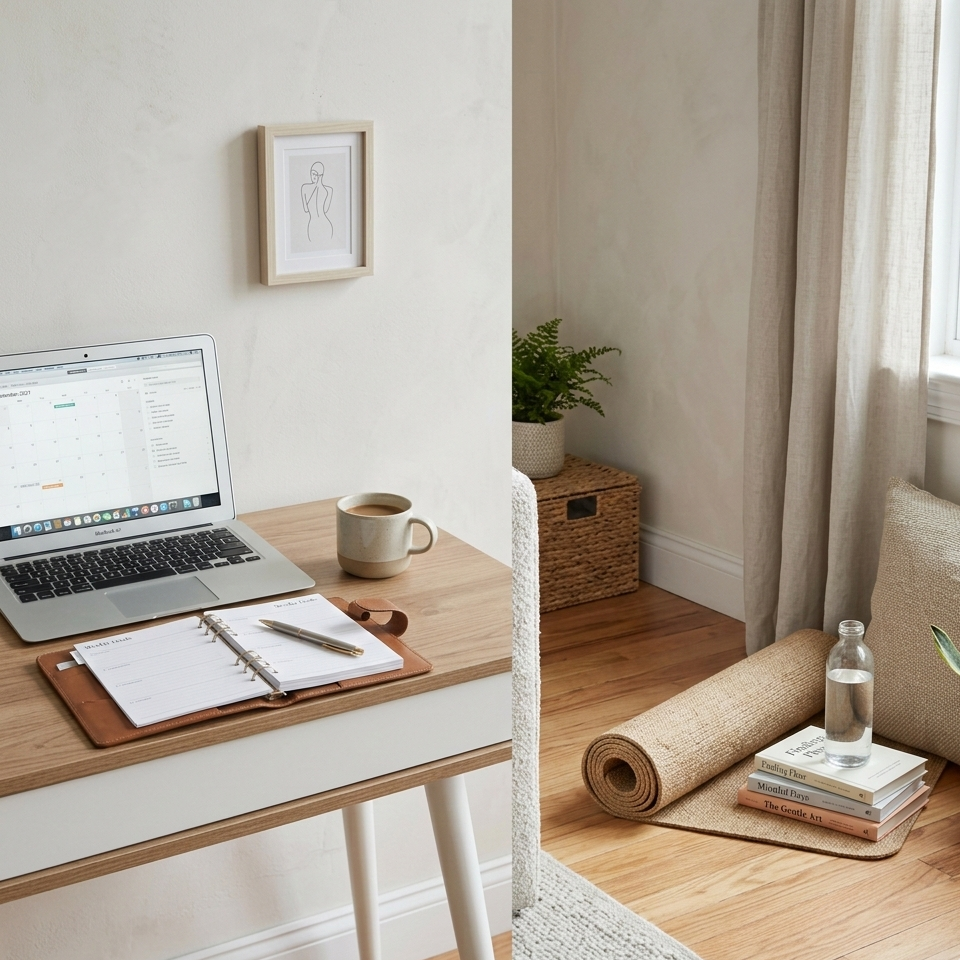
Living in harmony does not mean life is perfect. It means you feel stable even during busy days. One clear sign is strong emotional stability. You respond calmly instead of reacting with anger. Small problems do not ruin your mood. You feel confident in your decisions. Your thoughts remain clear during challenges. Peace becomes your normal state. This inner calm shows that balance is growing.
Another sign is steady energy throughout the day. You wake up feeling refreshed and ready. Work tasks feel manageable instead of exhausting. Healthy routines support your strength. You make time for rest without guilt. There is balance between effort and recovery. Productivity improves naturally without forcing yourself. Feeling energized shows that your habits are aligned. A balanced routine protects your physical and mental health.
Positive relationships are also an important indicator. You communicate clearly and respectfully. Boundaries are maintained without conflict. Time with family and friends feels meaningful. You feel satisfied with both work and personal life. There is a sense of purpose in daily actions. Happiness comes from simple moments. When life flows smoothly in different areas, you are truly living in perfect rhythm.
Conclusion
Life in Perfect Rhythm is a journey, not a final goal. Small daily actions create balance over time. Consistent habits build emotional and physical strength. When work and personal life feel aligned, stress decreases. Mindful living supports clarity and peace. Healthy routines improve productivity naturally. Communication and boundaries protect stability. Sustainable rhythm creates long-term success. Harmony grows through patience and awareness. Balanced living brings lasting happiness and confidence.
FAQs
1. What does “Life in Perfect Rhythm” mean?
It means living with balance between work, health, and personal life. It focuses on steady routines, mindful habits, and emotional stability instead of stress and chaos.
2. How can I start living in perfect rhythm?
Start with small daily habits like planning your day, sleeping on time, eating healthy, and taking short breaks to relax your mind.
3. Why is balance important for success?
Balance prevents burnout, improves focus, and supports better decision-making. A calm and organized life increases long-term productivity.
4. Can mindfulness improve daily rhythm?
Yes, mindfulness helps reduce stress, improve concentration, and create emotional balance, which supports a steady lifestyle.
5. Is perfect rhythm possible for busy professionals?
Yes, with proper time management, healthy boundaries, and consistent habits, even busy people can create a balanced and peaceful routine.