
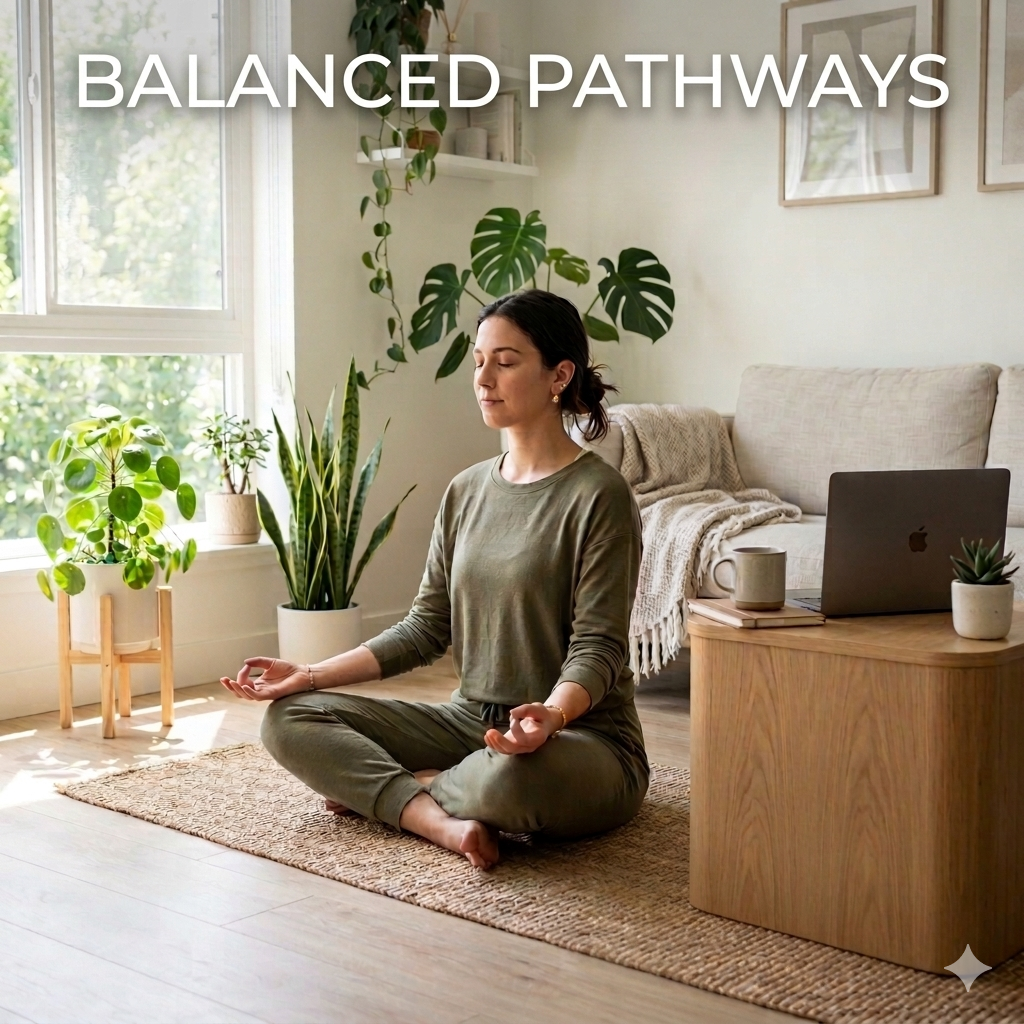
Introduction
Modern life is busy and demanding. Many people spend most of their time working, studying, or managing responsibilities at home. Because of this fast lifestyle, they often forget about their health and personal happiness. The idea of balanced pathways helps people create harmony between work, health, and personal life. It focuses on building a routine where all important parts of life receive attention. When life feels balanced, people feel calmer and more confident. Balance does not mean doing everything perfectly. It means managing time and energy wisely. A balanced lifestyle helps people feel satisfied in their daily lives.
Many individuals believe success only comes from working harder and longer. However, constant pressure can create stress and exhaustion. Without balance, people may lose motivation and feel overwhelmed. Balanced pathways encourage people to slow down and think about what truly matters. Spending time with family, resting, and enjoying hobbies are also important for a healthy life. These moments help recharge the mind and body. A healthy routine builds strength and stability over time. It also helps people stay focused on their goals.
When people start following balanced pathways, they begin to notice positive changes. Their mood improves and their energy becomes more stable. They feel more productive without feeling exhausted. This approach allows individuals to grow both personally and professionally. Small daily habits slowly create long-term improvements. A balanced life supports both success and happiness. By making thoughtful choices every day, anyone can move toward a more peaceful and fulfilling life.
Understanding the Concept of a Balanced Lifestyle
A balanced lifestyle means giving equal attention to different parts of life. Work, health, relationships, and personal growth should all have a place in daily routines. Many people only focus on career goals and forget about other important areas. However, a healthy life requires balance between responsibilities and relaxation. Understanding the idea of work-life balance meaning helps people realize that success and happiness can exist together. When life feels balanced, stress becomes easier to manage. People feel more satisfied with their daily achievements. Balance creates a sense of control over life.
Living a balanced life does not mean avoiding work or responsibilities. It means organizing time in a smart and thoughtful way. People can work hard while still taking care of their health and relationships. Eating healthy meals, exercising regularly, and spending time with loved ones are important habits. These activities support both physical and emotional well-being. A balanced lifestyle allows people to enjoy their success without feeling exhausted. It also improves concentration and decision-making.
Priorities play a big role in maintaining balance. When people know what matters most to them, they can manage their time better. Some may focus on family, while others may prioritize personal growth or career goals. Everyone’s balance looks slightly different. What matters most is creating a routine that supports happiness and health. By understanding their priorities, individuals can build a lifestyle that feels meaningful and fulfilling.
Why Balanced Pathways Matter for Mental and Physical Health
Balanced pathways support both mental and physical health. When life becomes too stressful, the body and mind begin to feel tired. Long working hours, lack of sleep, and constant pressure can harm health over time. Following balanced routines helps reduce stress and restore energy. A lifestyle that supports mental wellness allows people to think clearly and remain calm in difficult situations. Healthy habits like proper sleep and exercise strengthen the body. These habits help prevent fatigue and health problems.
Mental health is just as important as physical health. When people experience constant pressure, they may feel anxious or overwhelmed. Balanced pathways encourage relaxation and self-care. Taking breaks during the day can improve focus and mood. Even small activities such as walking outside or breathing deeply can bring calmness. These simple actions help the mind recover from daily stress. When the mind is peaceful, productivity improves naturally.
Physical health also improves when people follow balanced routines. Regular exercise, nutritious meals, and good sleep support the body. These habits help maintain strong immunity and stable energy levels. People who maintain balance often feel more active and positive. Their bodies respond better to challenges and stress. Over time, balanced pathways create a healthier and more energetic lifestyle.
Integrating Work and Personal Life Effectively
Many people struggle to manage both professional and personal responsibilities. Work deadlines and family commitments can create pressure. The idea of work-life integration helps combine these responsibilities in a practical way. Instead of separating work and personal life completely, people learn to organize them smoothly. This approach helps individuals stay productive without ignoring personal needs. A well-organized schedule supports both career growth and personal happiness.
Creating integration requires clear planning. People can divide their day into focused work periods and relaxation time. This helps maintain concentration while preventing exhaustion. Technology can help manage tasks and reminders efficiently. At the same time, it is important to disconnect from work after certain hours. Personal time should be protected for family, hobbies, and rest. This balance improves emotional well-being and relationships.
When work and personal life are integrated properly, people feel less overwhelmed. They can complete tasks with better focus and energy. Balanced routines allow individuals to enjoy both success and personal satisfaction. Over time, this approach creates stability and confidence. People begin to feel that they are in control of their lives rather than constantly chasing responsibilities.
The Role of Mindfulness in Creating Balanced Pathways
Mindfulness plays an important role in maintaining life balance. It encourages people to stay present and aware of their thoughts and actions. Many individuals worry about the future or regret the past. Practicing mindfulness practice helps bring attention back to the present moment. This awareness reduces stress and improves emotional stability. People become more patient and thoughtful in their decisions.
Mindfulness can be practiced in simple ways. Deep breathing exercises are a common technique. Sitting quietly and focusing on breathing for a few minutes can calm the mind. Another method is mindful walking, where people focus on each step and their surroundings. These practices allow the mind to relax and regain clarity. Regular mindfulness helps people manage challenges more peacefully.
When mindfulness becomes part of daily life, balance becomes easier to maintain. People start noticing their feelings and reactions more clearly. This awareness helps them avoid unnecessary stress and negative thinking. A calm mind improves creativity and decision-making. Over time, mindfulness strengthens emotional well-being and helps maintain balanced pathways
Communication and Healthy Boundaries for Better Balance
Healthy communication is essential for maintaining life balance. When people express their thoughts clearly, misunderstandings become less common. Strong communication skills help build better relationships at work and at home. Open conversations allow people to share their needs and expectations. This reduces stress and creates a supportive environment.
Setting boundaries is another important step toward balance. Many individuals feel pressured to accept every task or responsibility. However, saying yes to everything can lead to exhaustion. Learning to say no politely protects personal time and energy. Boundaries allow people to focus on what truly matters. This improves both productivity and well-being.
Healthy boundaries also support emotional stability. When people respect their own limits, they avoid burnout and frustration. Clear communication helps others understand these limits. Over time, relationships become stronger and more respectful. Balanced pathways become easier to maintain when people communicate openly and protect their personal space.
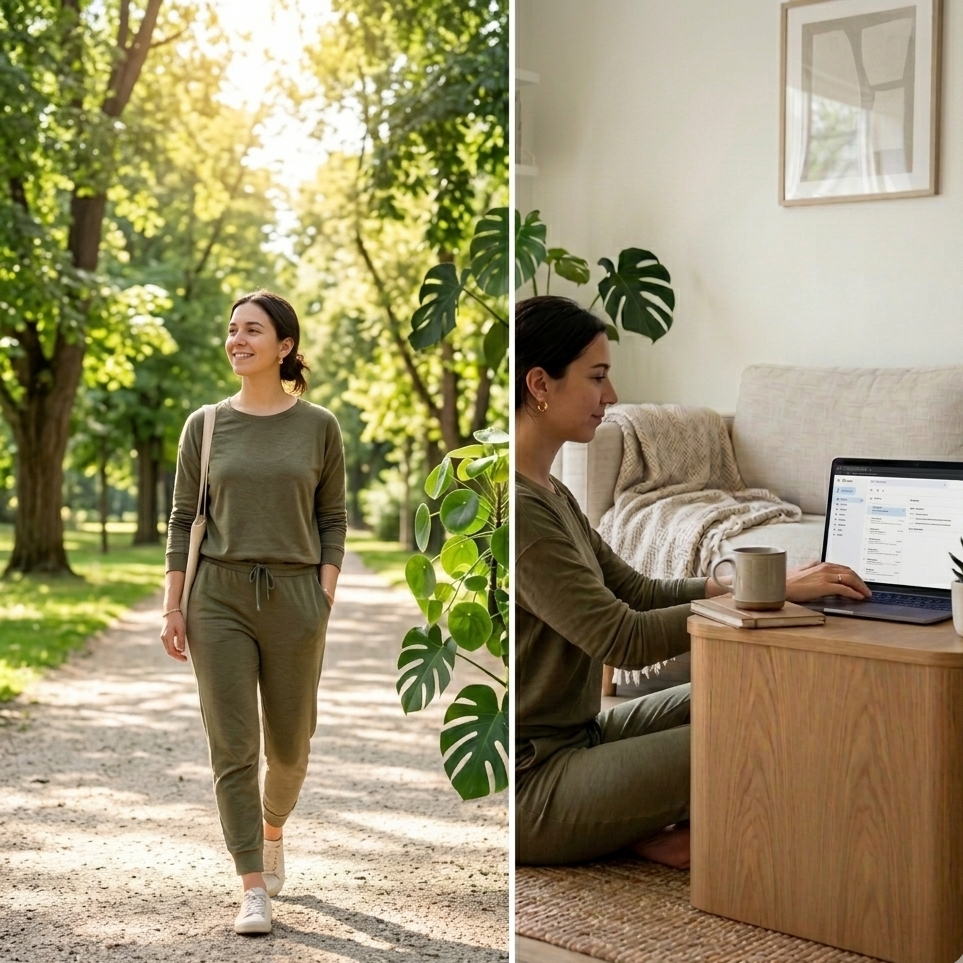
Signs of a Healthy Work-Life Balance
A healthy life balance often shows through daily habits and emotions. People who maintain balance feel productive without constant pressure. They are able to complete their work while still enjoying personal time. A stable routine often leads to life satisfaction and emotional stability. Individuals feel proud of their achievements without feeling overwhelmed.
Another sign of balance is having time for relationships and hobbies. Balanced individuals spend time with family and friends regularly. They also enjoy activities that bring happiness and relaxation. These moments help refresh the mind and strengthen emotional connections. A balanced life supports both personal and social well-being.
Physical and mental health also improve when balance exists. People sleep better and feel more energetic throughout the day. Stress levels remain manageable, and motivation stays high. These positive signs indicate that a person’s routine supports long-term health and happiness. Balanced pathways lead to a more peaceful and fulfilling life.
Practical Strategies to Build Your Own Balanced Pathways
Creating balanced pathways requires thoughtful planning and small daily actions. One useful method is improving time management tips. When people organize their tasks properly, they feel less overwhelmed. Making a simple daily schedule can help manage responsibilities effectively. This allows individuals to focus on important tasks while still leaving time for rest.
Another helpful strategy is building healthy routines. Starting the day with positive habits such as stretching, hydration, or meditation can boost energy. Short breaks during work hours also help maintain concentration. These simple habits prevent mental fatigue and improve productivity. Consistent routines make daily life smoother and more organized.
Setting realistic goals is also important for maintaining balance. When people create achievable goals, they avoid unnecessary pressure. Breaking large tasks into smaller steps makes progress easier. Celebrating small achievements keeps motivation high. These strategies help individuals stay focused while maintaining balance in their daily lives.
Long-Term Benefits of Living Through Balanced Pathways
Living through balanced pathways offers many long-term advantages. One major benefit is sustainable success. People who maintain balance can continue performing well without experiencing burnout. Their energy remains stable, allowing them to pursue goals steadily over time.
Balanced living also strengthens relationships. When individuals manage their time wisely, they can spend more meaningful moments with family and friends. These connections bring emotional support and happiness. Healthy relationships create a strong foundation for a fulfilling life.
Another benefit is improved personal growth. Balanced individuals often feel more confident and motivated. They can explore hobbies, learn new skills, and focus on self-development. Over time, these experiences contribute to a richer and more meaningful life journey.
Conclusion
Creating a balanced life is a gradual journey. People often believe they must change everything at once, but real progress happens slowly. The concept of balanced pathways encourages individuals to focus on small and consistent improvements. Simple daily choices can lead to significant changes over time. A balanced life supports both success and inner peace.
Every person’s pathway to balance looks different. Some may prioritize family, while others may focus on personal development or career growth. What matters most is creating a routine that supports well-being and happiness. Listening to personal needs and respecting limits helps maintain this balance.
When individuals commit to building balanced pathways, they begin to experience greater fulfillment. Life becomes more organized, peaceful, and meaningful. Success becomes more enjoyable because it is supported by health and happiness. By taking small steps each day, anyone can build a life filled with balance, purpose, and long-term well-being.
FAQs
1. What are balanced pathways in life?
Balanced pathways mean creating harmony between work, health, relationships, and personal growth to live a peaceful and productive life.
2. Why is a balanced lifestyle important?
A balanced lifestyle helps reduce stress, improve health, increase productivity, and bring more happiness to daily life.
3. How can I start building balanced pathways?
You can start by managing your time better, setting clear priorities, taking breaks, and practicing healthy daily habits.
4. Can balanced pathways improve work performance?
Yes, when your life is balanced, your mind stays focused and energetic, which improves creativity and productivity at work.
5. What are simple habits for maintaining life balance?
Healthy sleep, regular exercise, mindfulness, and spending time with loved ones are simple habits that help maintain balance.
Great ❤👏
Pingback: Daily Habits for Life Balance - work life balance